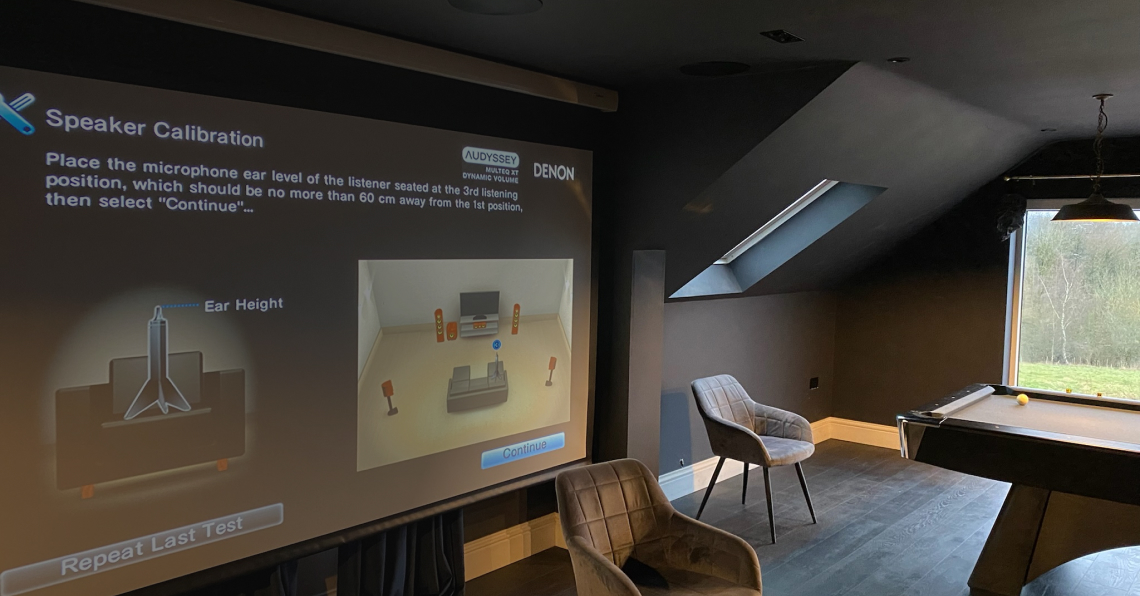
The answer depends on your home, your priorities, and how much of your property you want to automate. For some, it might mean adding lighting and blinds to the kitchen and living space. For others, it’s full integration of AV, climate, and security across the entire property.
In general, most professionally installed smart home systems in the UK start around £10,000 for a basic setup, while more extensive whole-home systems can range from £50,000 to well over £250,000 depending on scale and specification.
In this guide, we’ll break down the typical systems involved in a smart home and explain the key factors that affect cost in a UK setting.
Smart Lighting Systems
Smart lighting allows homeowners to automate, schedule and personalise lighting throughout their home. Whether you want to replicate natural daylight cycles, create ambient evening scenes or trigger hallway lighting when you arrive home, a smart lighting system makes all this possible.
Cost Factors:
Number of lighting circuits or rooms involved
Choice between wireless and wired systems
Use of keypads, touchscreens, or app control
Design customisation, including backlit engraving and scene settings
Integration with presence sensors or natural light levels
Homeowners with larger properties or more complex lighting layouts should expect higher costs. Systems like Control4 or Crestron allow deep personalisation and are typically installed by a smart home installer to ensure reliability and scalability.
Automated Blinds & Curtains
Automated window treatments combine comfort, energy efficiency, and convenience in a way that’s both subtle and impactful. With motorised blinds or curtains, you can schedule them to open gently with the morning sun or close automatically at dusk for privacy and insulation. You can also control them manually via a smartphone app, voice command, or a wall-mounted keypad, making them perfect for everyday living or when you’re away from home.
Cost Factors:
Number and size of windows
Choice of blind or curtain mechanism (roller, roman, pleated, etc.)
Motor type (wired, battery-powered, or hardwired into the system)
Integration with lighting, heating, or security systems
Custom fabric and design specifications
Homes with large windows, skylights, or double-height rooms particularly benefit from automated shading, which eliminates the need for manual operation. When integrated with a smart lighting system, blinds can adjust in harmony with artificial lighting levels, improving comfort and reducing power consumption throughout the day.
Sound Systems
Distributed audio systems allow music, podcasts, or radio to be enjoyed in one room, multiple zones, or throughout the entire home, and all controlled effortlessly via your smartphone, touchscreen panel, or wall-mounted keypad. Whether you’re setting the mood for a dinner party, winding down with ambient sounds in the bath, or waking up to your favourite playlist in the bedroom, a smart sound system brings personalised audio to every corner of your property.
Cost Factors:
Number of zones (rooms or outdoor areas)
Speaker type (in-ceiling, bookshelf, garden, soundbar, etc.)
Audio sources (streaming services, radio, vinyl players, TV integration)
System brand and integration level
Wired vs wireless configurations
ProfessionalAV installation ensures all components work in harmony with your interior and smart home ecosystem. Options can include Spotify or Apple Music integration, centralised media servers, and tailored volume control per space that create a responsive soundscape that adapts to your lifestyle and preferences.
Video Equipment
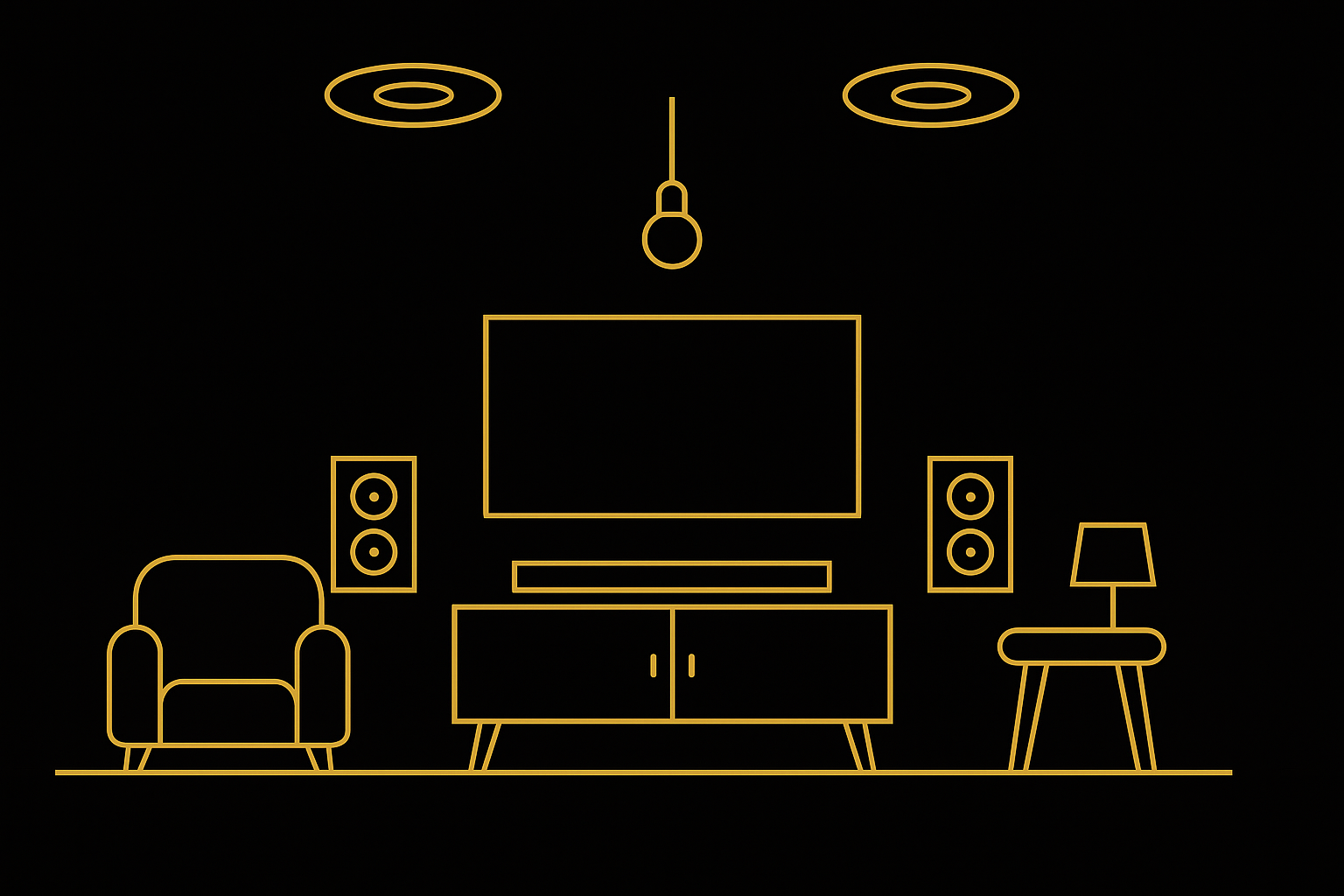
From ultra-slim 4K TVs and hidden displays to full-size projectors, video walls, and mirrored televisions that double as décor, smart video systems offer far more than a basic lounge setup. These systems can be programmed as part of a wider home automation experience, responding to specific scenes or presets, such as “movie night” or “morning news”, with one touch.
Cost Factors:
Type and quality of screens or projectors (OLED, laser, 4K/8K, etc.)
Integration with streaming services, Sky, Blu-ray, Kaleidoscope, or gaming systems
Number of displays or zones across the property
Centralised vs standalone video distribution
Wall-mounting, concealment mechanisms, and cabling requirements
Video integration is often paired with aControl4 installer orCrestron installer setup, allowing simple switching between platforms or sources. This is particularly useful in larger homes where content may be shared across multiple rooms or where AV racks are hidden away in dedicated plant rooms.
Smart CCTV Systems
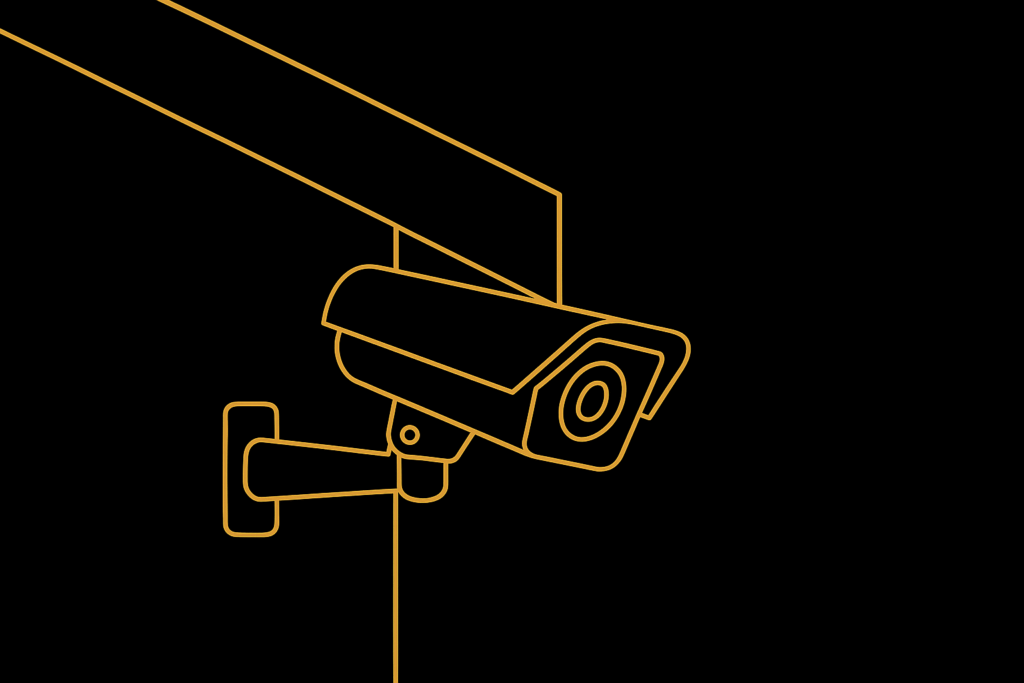
Smart CCTV systems provide you with peace of mind through 24/7 surveillance, remote access, and real-time alerts. Unlike basic setups, professional systems can be tailored to your property’s unique layout, covering entrances, garden areas, driveways, and perimeter zones. High-resolution cameras with night vision and wide-angle lenses capture clear footage in all conditions, while advanced AI features can distinguish between people, animals, and vehicles, which helps to reduce false alarms.
Cost Factors:
Number of cameras and coverage areas (e.g. front door, side gate, garage, garden)
Camera quality, resolution (HD, 4K), and night vision range
Smart features like facial recognition, line-cross detection, and license plate capture
Integration with other systems (e.g. smart locks, video intercoms, alarms)
Storage type (local NVR, secure cloud storage, or hybrid solutions)
A professionally installed system is typically more robust and secure than off-the-shelf kits. Integration with a wider smart home security setup ensures centralised control and the ability to view live feeds through apps, touchscreens, or Control4 panels.
Video Intercoms Doorbells, & Access Control
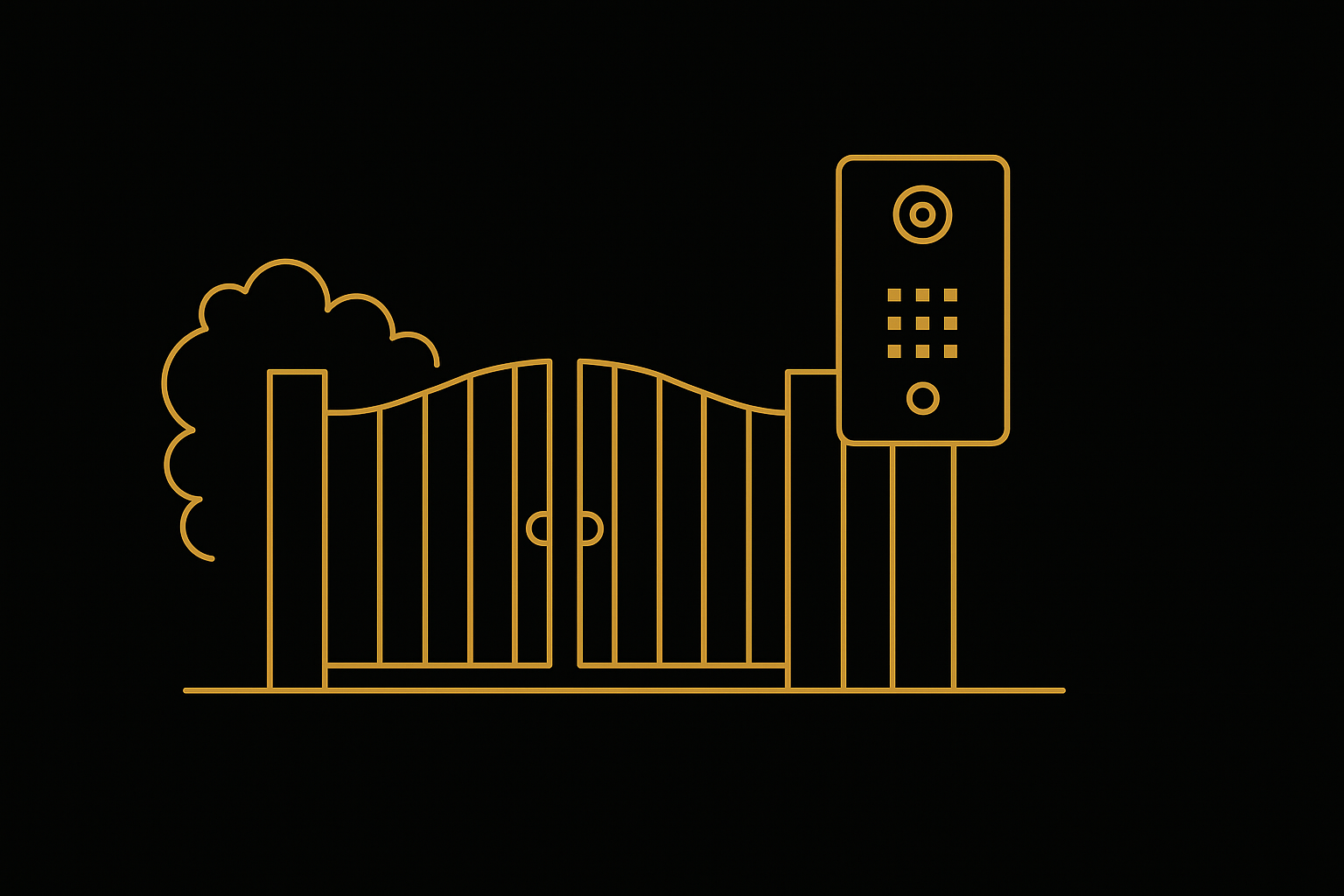
Modern video intercoms and smart doorbells offer both security and convenience. These systems let you see, hear, and speak to visitors at your door or gate, even when you’re not at home. With integrated access control, you can remotely open gates or doors via your smartphone, touchscreen panels, or a programmed keypad, all while keeping a full log of who entered and when.
Cost Factors:
Number and complexity of entry points (e.g. pedestrian gates, driveways, multiple entrances)
Integration with existing electric gates, garage doors, or smart locks
Use of facial recognition, PIN access, or NFC tags
Type of intercom system (video handset, wall-mounted touchscreen, or mobile-only)
You can also assign specific permissions for regular guests or tradespeople, such as gardeners or housekeepers, using time-limited codes or facial recognition profiles. When paired with a broader smart home ecosystem, access control becomes seamless and highly secure.
Mesh Wi-Fi Systems
Reliable, high-speed internet is the backbone of any smart home. Without it, even the most advanced systems can falter. Mesh Wi-Fi networks are designed to eliminate dead zones and ensure uninterrupted coverage across every room and even in outdoor areas. By using multiple access points that communicate with one another, mesh systems maintain stable connections, even in properties with thick walls, multiple storeys, or expansive layouts.
Cost Factors:
Size and shape of the property (square footage, number of floors, outbuildings)
Building materials (stone, reinforced concrete, insulation layers)
Quantity and placement of access points
Distance from the main router or incoming broadband line
Unlike basic extenders or routers, a professional-grade mesh Wi-Fi system provides the bandwidth and reliability needed to support smart lighting, video streaming, security feeds, and automation routines simultaneously without lag or interruption.
Smart Heating Systems
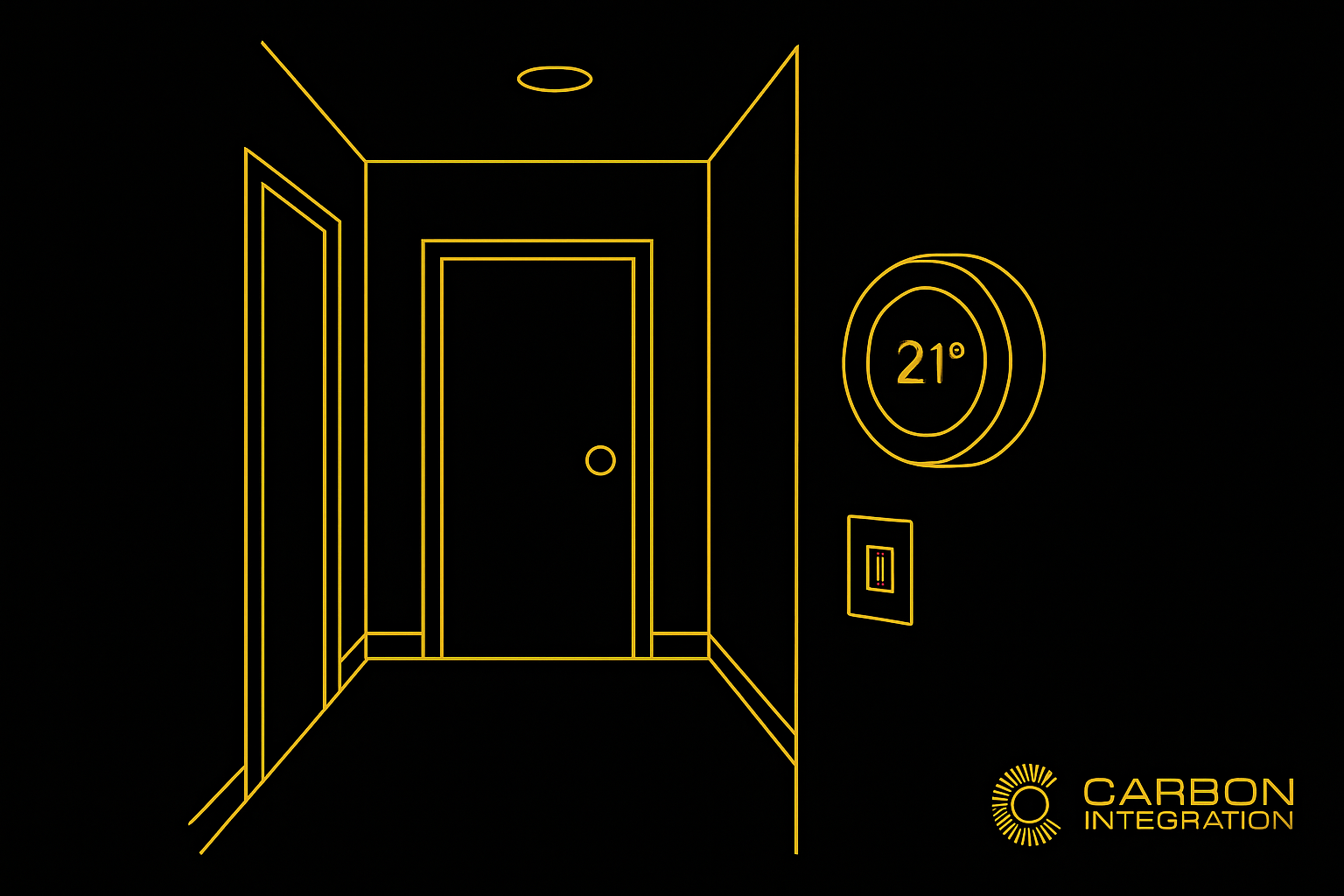
Smart heating systems give you precise control over your home’s climate, offering both comfort and efficiency. Whether adjusting temperature room-by-room or setting routines for the week, you can manage everything from your phone, wall keypad, or via voice commands. Many systems also integrate with cooling and ventilation for a full climate solution. These systems are ideal for modern homes with underfloor heating or multi-zone radiators.
Cost Factors:
Number of controllable zones or rooms
Compatibility with heating types (e.g. radiators, underfloor, heat pumps, HVAC)
Type of control interface (smart thermostats, mobile apps, wall-mounted panels)
Sensor use (occupancy, humidity, outdoor weather)
Integration with wider home automation systems
Advanced setups can automatically adjust based on open windows, weather forecasts, or whether a room is occupied, helping to lower your energy bills without sacrificing comfort.
Smart Home Controls
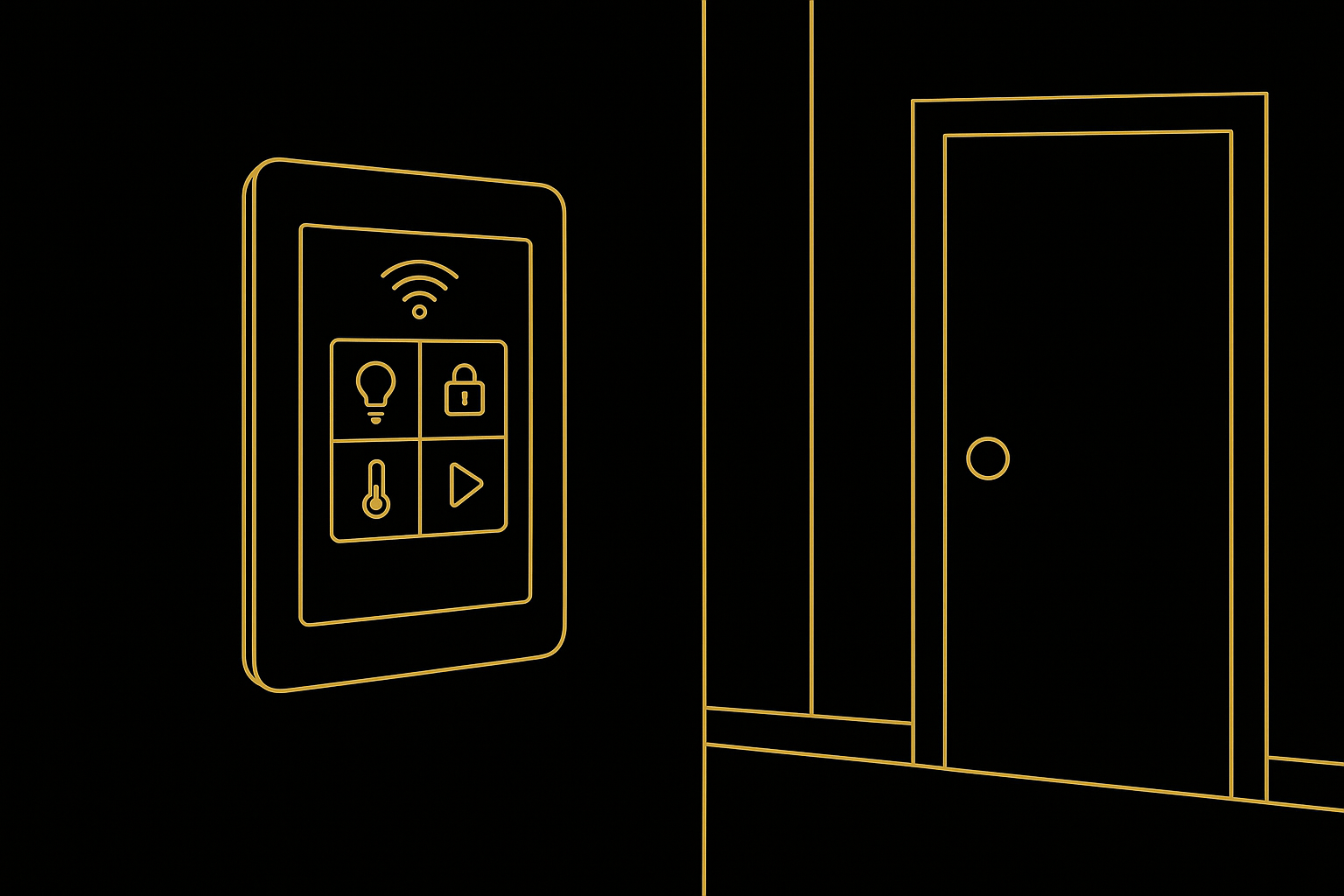
At the heart of every smart home is a unified control system. This acts as the command centre, allowing you to manage lighting, blinds, climate, audio, video, and security from one intuitive interface. Whether using a touchscreen, wall keypad, remote control, or smartphone app, these systems simplify complex technology into easy-to-use scenes and routines tailored to your lifestyle.
Cost Factors:
Quantity and type of control interfaces (in-wall touchscreens, handheld remotes, keypads)
Level of customisation for different rooms or users
Depth of integration across systems (AV, HVAC, lighting, security)
Preferred control methods (voice, app, physical controls)
Platforms like Control4 and Crestron offer powerful automation options and scalability for future upgrades. Working with aqualified Control4 installer ensures that the system is not only functional from day one but remains adaptable as your needs evolve.
Smart Home Rack
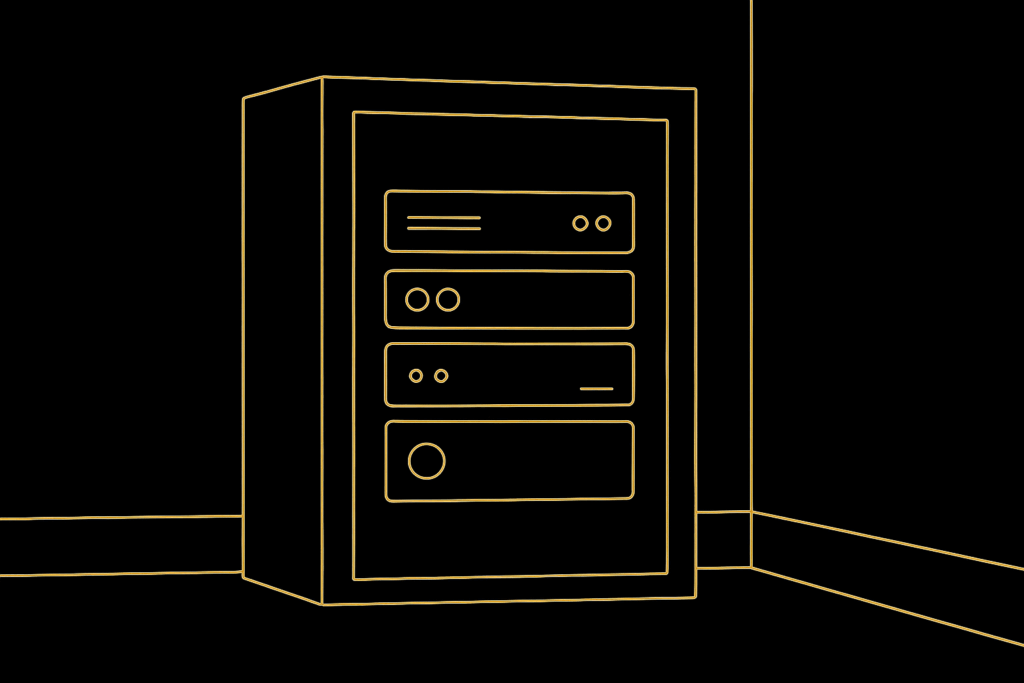
All the processing power for a smart home is typically centralised in a smart home rack. This is a purpose-built cabinet that houses the core systems like control processors, network switches, amplifiers, media servers, and interfaces. This discreet hub guarantees everything runs smoothly and remains accessible for servicing or upgrades.
Cost Factors:
Number of systems integrated (AV, lighting, security, heating, etc.)
Equipment specification and cooling requirements
Power protection and backup systems
Cable management, labelling, and structured wiring
Rack size, location, and ventilation design
A well-planned rack installation prevents overheating, interference, and equipment failure, which are key to a reliable smart home setup. Professional installers will factor in airflow, surge protection, and future expandability. While often located in a utility space or plant room, racks can also be custom-built into furniture or joinery where space is limited.
Other Smart Home Costs
In addition to the systems above, costs can vary depending on:
Project phase (new build vs retrofit)
Type of property (listed building, apartment, etc.)
Design and consultancy requirements
Commissioning, programming, and integration time
End-user training and handover process
These variables make it essential to work with an experiencedsmart home installer who can advise you during the planning stage to avoid surprises during installation.
Smart Home System Servicing & Maintenance
Professional smart home systems need maintenance to stay reliable. This might involve software updates, remote monitoring, periodic health checks, or physical servicing.
Cost Factors:
Size and complexity of the system
Frequency of updates
Support contract type (reactive vs proactive)
Servicing makes sure the system continues to work as expected and reduces the risk of unexpected downtime.
Final Thoughts
There’s no one-size-fits-all answer to what a smart home costs in the UK. Prices depend on the systems you choose, the level of integration, and the scale of your property. A small flat may only need automated lighting and heating, while a large home might include cinema rooms, access control, and full AV integration.
By working with a professional smart home installer, you’ll get expert guidance on what’s necessary, what’s possible, and how to plan for the future. The result is a smart home that feels effortless to use, looks beautiful, and adapts to your lifestyle for years to come.
Partners
Projects
South Kensington
Lost Society
New Project
We'd Love
to Hear from You!
Discover the ways in which we can streamline and automate your home for enhanced convenience and efficiency.